Glycine and Sleep Quality: What the Research Literature Shows
Of gelatin's key amino acids, glycine has the most developed human research base — and one of the more surprising areas of investigation is sleep. Dose Theory reviews what the published literature actually establishes, without overstating the evidence.
Why glycine and sleep — the proposed mechanism
Glycine is classified as an inhibitory neurotransmitter in the central nervous system. In the brain stem, glycine receptors play a role in regulating muscle tone during sleep — particularly during REM phases. Separately, glycine may influence core body temperature, which is a key physiological signal in sleep onset. These mechanisms are distinct from sedative effects and have attracted genuine research interest over the past decade.
The research does not support claims that gelatin "cures" sleep disorders or guarantees improved sleep for any individual. What it does show is a mechanistic rationale worth investigating — and a small body of human studies with methodologically credible designs.
Kawai et al. — Neuropsychopharmacology
3g glycine before sleep. Participants reported subjectively improved sleep quality and reduced daytime fatigue. Polysomnography showed reduced time to sleep onset. Small sample size — preliminary findings.
Bannai et al. — Frontiers in Neurology
Investigation of glycine's role in core body temperature regulation at night. Found that glycine appeared to facilitate peripheral vasodilation — a mechanism associated with natural body temperature drop at sleep onset.
Bannai & Kawai — Journal of Pharmacological Sciences
Review article consolidating mechanistic and human sleep study evidence. Concluded that glycine's effect on sleep quality was "likely mediated by mechanisms involving N-methyl-D-aspartate (NMDA) receptors and GABA-A receptors." Noted ongoing need for larger trials.
Status of the evidence base
The human trial evidence base remains small. Existing studies show consistent directional findings but were conducted with relatively small samples. The research is developing — not conclusive. Individual results vary. Not a treatment for sleep disorders.
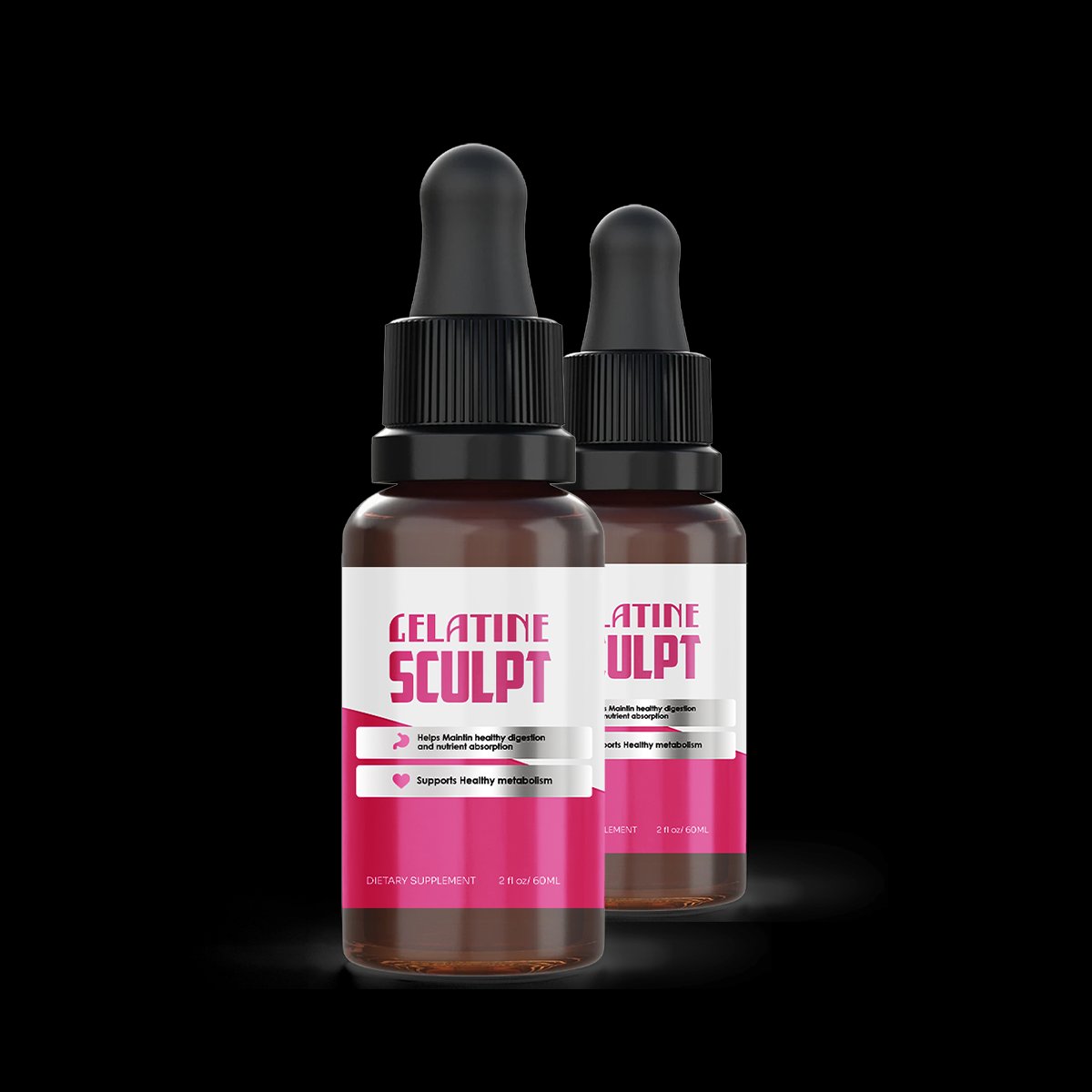
Dose Theory does not assess efficacy claims for any supplement. The research summary above reflects published peer-reviewed literature as of the review date. Gelatine Sculpt is not intended to diagnose, treat, cure, or prevent any disease — including sleep disorders. Individual results vary. Consult a healthcare professional before using any supplement for sleep.
"Glycine's role as an inhibitory neurotransmitter gives it a credible mechanistic pathway toward sleep quality improvement — one that differs entirely from the sedative mechanisms of conventional sleep aids."
— Dose Theory editorial note. Based on published research — not a manufacturer claim.